
Whale Watching in South Africa
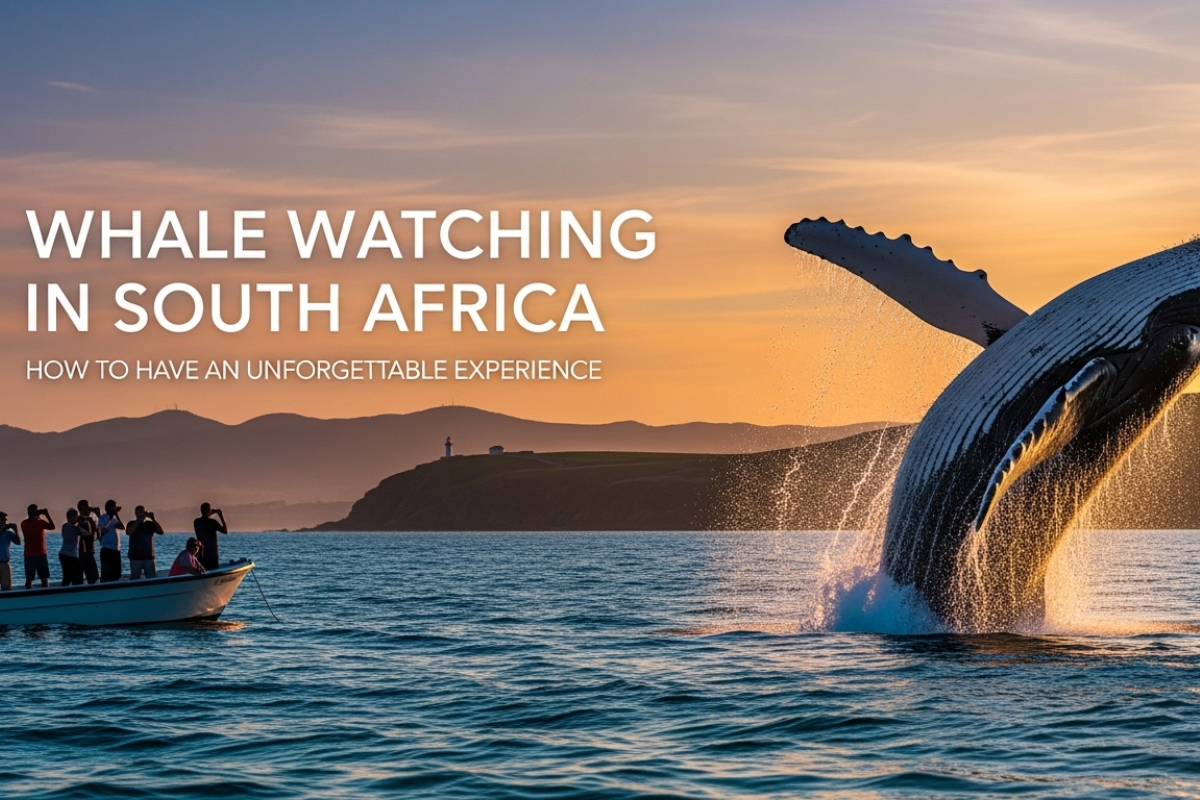
There are few wildlife moments as powerful as seeing a whale surface just meters away, its sheer size matched only by its calm presence. Whale watching in South Africa is one of those experiences that stays with you long after the journey ends. The country’s long coastline, rich marine ecosystems, and responsible tourism practices make it one of the most rewarding places in the world to observe whales in their natural environment.
This guide is written for travelers who want more than a quick sighting. It focuses on timing, locations, respectful observation, and how to truly appreciate the experience without rushing it. When done thoughtfully, whale watching in South Africa feels meaningful, emotional, and deeply connected to nature.
Why South Africa Is One of the Best Places for Whale Watching
South Africa’s coastline stretches across two oceans, creating ideal conditions for migrating whales. Calm bays, nutrient-rich waters, and protected areas allow whales to come remarkably close to shore.
This accessibility is what makes whale watching in South Africa so special. In some locations, sightings are possible from land, reducing the need for intrusive boat activity and creating a more peaceful viewing experience.
Understanding the Whales You’re Likely to See
South Africa marine life is incredibly diverse, but certain whale species are especially well known here. Southern right whales are the most commonly seen, often swimming close to shore with their calves.
Humpback whales and Bryde’s whales are also spotted in certain regions. Learning a bit about these species before your whale watching in South Africa trip adds depth to the experience and helps you recognize behaviors such as breaching, tail slapping, and slow cruising.
When Is the Best Time for Whale Watching in South Africa?
Timing plays a huge role in successful sightings. The peak season generally runs from mid-year through early spring, when whales migrate closer to the coast to mate and give birth.
During this period, whale watching in South Africa becomes more predictable, with calmer waters and increased whale activity. Planning travel dates around this window significantly improves the overall experience.
Where to Go for the Most Memorable Sightings
Some coastal towns have become known for their reliable whale sightings. These areas combine natural geography with conservation-focused tourism.
Many travelers consider this region the highlight of any South Africa travel guide, as it offers clear views, knowledgeable guides, and minimal disturbance to marine life. Choosing the right base helps keep the experience relaxed and unhurried.
Land-Based vs Boat-Based Whale Watching
One of the unique aspects of whale watching here is the option to observe from land. Cliffside paths and coastal viewpoints allow close observation without entering the water.
Boat tours, part of South Africa ocean tours, provide a different perspective and can cover more distance. Both options offer value, and choosing between them depends on comfort level, weather conditions, and personal preference whale watching in South Africa
How Wildlife Tours Enhance the Experience
South Africa wildlife tours often include whale watching as part of a broader nature experience. Professional guides explain whale behavior, migration patterns, and conservation efforts.
This added context turns sightings into learning moments rather than quick photo opportunities. Guided experiences help travelers understand why whale watching in South Africa is globally respected for ethical practices.
The Emotional Impact of Watching Whales
Seeing a whale in the wild often creates a strong emotional response. There’s a sense of humility in witnessing such large, intelligent creatures moving calmly through open water.
This emotional connection is what sets the best whale watching south Africa experiences apart. It’s not just about seeing whales—it’s about feeling part of something larger than yourself.
Responsible Whale Watching and Ethical Practices
Respect is central to whale watching in South Africa enforces strict guidelines on distances, boat speeds, and observation time to protect marine life.
Travellers should choose operators committed to conservation. Responsible practices ensure whale watching in South Africa remains sustainable and continues to support wildlife rather than disrupt it.
Combining Whale Watching With Other Wildlife Experiences
Many visitors pair whale watching in South Africa with land-based wildlife experiences South Africa is known for. This combination creates a balanced itinerary that showcases both marine and terrestrial ecosystems.
A marine safari South Africa-style experience allows travelers to appreciate the country’s biodiversity from multiple perspectives without feeling rushed.
Preparing for Your Whale Watching Experience
Comfort and patience matter more than gear. Dress warmly, bring binoculars if observing from land, and be prepared to wait quietly.
Weather and wildlife follow their own schedules. Approaching whale watching in South Africa with flexibility makes the experience more rewarding and less stressful.
Make Your Whale Watching Experience Truly Memorable
A successful whale watching in South Africa experience is shaped by preparation, respect, and mindset. Keep these tips in mind while planning your journey:
- Choose ethical operators
Responsible tours protect marine life and improve sighting quality. - Time your visit carefully
Visiting during peak migration season increases success. - Stay patient and observant
Whales appear on their own schedule, not ours. - Dress for coastal weather
Layers help you stay comfortable during long viewing periods. - Respect distance and silence
Quiet observation leads to more natural whale behavior.
A calm, respectful approach transforms whale watching in South Africa into a deeply meaningful encounter.
Conclusion
whale watching in South Africa coast offers a rare opportunity to observe some of the ocean’s most majestic creatures in a setting that prioritizes respect and conservation. From shoreline viewpoints to guided boat tours, each experience invites patience, awareness, and connection with nature. When planned thoughtfully, these moments become highlights that stay with travelers long after the journey ends. Expedia continues to support travel experiences that balance comfort, responsibility, and unforgettable wildlife encounters.
If you enjoy travel advice that’s honest, easy to follow, and thoughtfully written, you’ll find more at Nextripvibe.
About the Author